discover glass bottle manufacturers
The Art of Glass Packaging: Transforming Your Brand Through Sustainable Glass Bottles
The craft of glass packaging presents brands with a unique avenue for differentiation. Via eco-friendly approaches, glass bottles elevate brand aesthetics and connect with sustainability-minded shoppers. Their intrinsic properties, such as recyclability and chemical inertness, signify a commitment to quality. As brands navigate this evolving landscape, grasping the diverse advantages and obstacles of glass packaging is critical for sustained growth. What forward-thinking methods are companies adopting to fully harness these opportunities?
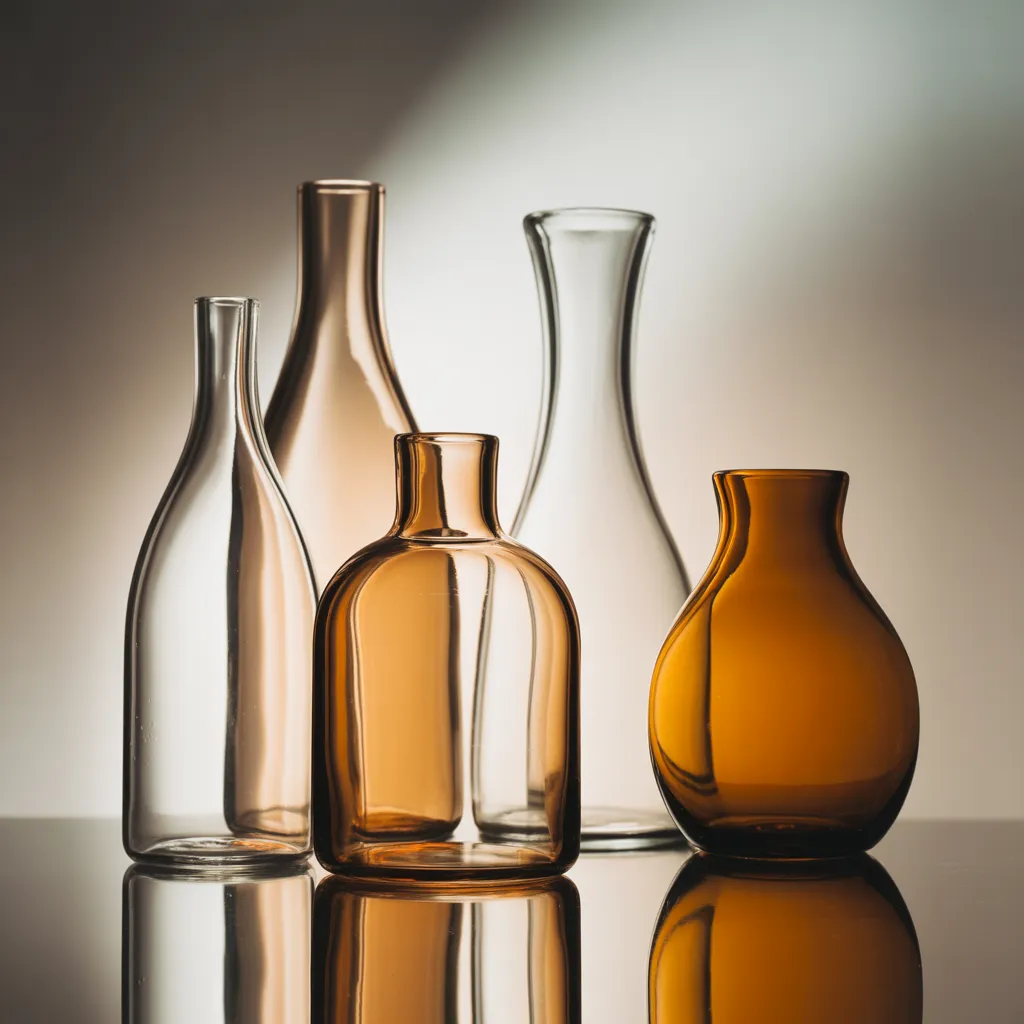
The Benefits of Choosing Glass Packaging for Your Brand
Choosing glass packaging can considerably elevate a brand's image and eco-friendly commitments. Brands that opt for glass demonstrate a dedication to excellence and high-end consumer experiences, appealing to discerning consumers who recognize the importance of design and utility. Glass delivers a classic and refined aesthetic, enhancing a brand's recognizable image while delivering a physical interaction that synthetic materials fail to replicate.
Furthermore, glass packaging communicates a feeling of purity and safety, as it is absent of harmful chemicals often found in plastics. This choice can attract green-conscious customers who associate glass with responsible practices. Moreover, its resilience permits repeated utilization, thereby strengthening a brand's commitment to eco-friendly practices.
In a market increasingly focused on environmental impact, adopting glass packaging can set a brand apart fostering consumer loyalty and strengthening brand trust. Ultimately, this deliberate decision places brands at the forefront of quality and environmental responsibility, resonating with contemporary consumer expectations.
The Environmental Advantages of Glass Bottles
Glass bottles present considerable environmental benefits that set them apart from competing packaging solutions. They are fully recyclable, supporting a closed-loop economy where materials can be reused indefinitely without degradation in quality. This quality considerably decreases the reliance on new materials, thus reducing natural resource extraction and energy consumption associated with manufacturing.
Additionally, glass packaging is chemically stable, meaning it does not seep dangerous compounds into its stored materials, ensuring more secure consumption. In contrast to plastic, glass does not contribute to microplastic pollution, which is a rising environmental challenge.
Glass bottle production similarly results in fewer greenhouse gas emissions in comparison to plastic. Thanks to innovations in manufacturing processes, energy efficiency has significantly improved, additionally minimizing the carbon footprint linked to glass production.
Unique Designs That Transform Glass Packaging
Innovative patterns in glass packaging are reshaping how consumers view products. Original silhouettes and configurations not only boost practicality but also capture buyer interest. Additionally, striking color combinations further boost the overall appearance, making glass vessels stand out on shelves.
Remarkable Shapes and Structures
Creative designs in packaging made from glass not only elevate the overall look but also play an essential role in brand differentiation. Distinctive forms and designs can generate lasting impressions on consumers, making products stand out on competitive store shelves. To illustrate, bottles with asymmetrical shapes or geometric patterns can spark interest and invite engagement. These unconventional forms often correspond with a brand's core values, reinforcing its message and values. Furthermore, unique forms can enhance usability, such as more convenient gripping or optimized pouring. Companies that prioritize innovative glass packaging signal commitment to quality and sustainability, engaging environmentally responsible shoppers. When focusing on distinctiveness in their packaging designs, businesses can build stronger bonds with their customers, ultimately driving loyalty and enhancing market presence.
Eye-Catching Color Palettes
Rich color combinations play an essential role in elevating glass packaging design, transforming ordinary bottles into enchanting visual statements. Through the thoughtful application of carefully selected colors, brands can evoke emotions and create memorable experiences for consumers. Vivid hues can communicate exceptional value, whereas gentler shades can express refinement and elegance.
Additionally, the incorporation of multi-toned designs and gradients brings depth and sophistication, capturing attention on busy shelves. Sustainable practices further enhance the appeal; eco-friendly dyes and finishes resonate with conscious consumers. At the core, the right color palette not only reflects a brand's identity but also reinforces its commitment to sustainability, establishing glass packaging as an influential instrument for standing out in a competitive market.
How Does Glass Packaging Enhance Product Perception?
Glass packaging notably improves product perception with its premium aesthetic and tactile quality, instilling a sense of elegance in consumers. The natural clarity and see-through quality of glass offer consumers an unrestricted look at the product, strengthening the perception of quality. Furthermore, glass packaging supports environmentally responsible brand values, resonating with eco-minded consumers.
Superior Feel And Appeal
The incorporation of glass packaging significantly enhances the recognized quality of a product, often associating it with quality and sophistication. Customers often link glass with premium quality, resulting in improved brand commitment and favorable customer interactions. The sensory quality of glass, with its smooth texture and weight, creates a high-end impression that plastic is unable to match. This tactile interaction creates a connection between the product and the consumer, fostering a perception of excellence. Additionally, glass packaging reflects a focus on sustainability, resonating with eco-aware consumers. Consequently, businesses employing glass containers can position themselves as superior choices within their markets, appealing to read the full story thoughtful consumers who value both aesthetics and ethical considerations in their consumer decisions.
Clear Visual Transparency And Precision
When consumers encounter products in glass containers, their perception is often enhanced by the inherent visual transparency and clarity it provides. This clarity permits interested shoppers to observe the item inside, fostering a sense of trust and authenticity. The see-through nature of glass not only reveals the product's caliber but also accentuates its color and feel, elevating the overall visual experience. Furthermore, the lack of label obstructions on transparent glass lets the product become the focal point, creating a more engaging shopping experience. Glass containers can enhance brand image by communicating a dedication to excellence and artisanship. This see-through quality ultimately guides customer determinations, fostering a stronger sentimental bond with the product and the company.
Eco-Friendly Brand Positioning
Eco-conscious brands leverage glass containers to solidify their pledge to environmental responsibility, effectively enhancing product perception. Glass conveys a sense of quality and purity, establishing a superior benchmark against plastic options. This medium not only highlights the environmental principles of a brand but also attracts buyers who place importance on sustainable options. The sensory quality of glass—its density and surface—further amplifies the perceived premium nature of the product. Furthermore, the recyclable nature of glass corresponds with the increasing consumer appetite for sustainable habits, strengthening consumer allegiance. By choosing glass, brands not only showcase their dedication to the environment but also establish their products as high-end choices, thus building a favorable reputation in a crowded market.
Case Studies of Brands Succeeding With Glass Packaging
Many companies are thriving by embracing glass packaging, highlighting its attractiveness to buyers and pledge to sustainable practices. To illustrate, a well-known beverage company made the switch to glass bottles, leading to a 30% increase in sales within a year. The change not only enhanced product visibility on shelves but also appealed to eco-conscious consumers, strengthening the brand's sustainability message.
A different skincare brand made a successful switch to glass packaging, greatly elevating its upscale appeal. This transition drew in a loyal customer base that prioritizes both aesthetics and environmental responsibility. Furthermore, a specialty beer manufacturer adopted reusable glass growlers, cultivating consumer trust and decreasing environmental impact. These examples demonstrate that glass materials not only fulfill consumer demands for eco-friendly alternatives but also bolsters brand value and industry presence. Such thoughtful selections underscore an expanding movement among businesses striving to align their operations with sustainable practices while attracting today's environmentally aware shoppers.
How to Tackle Challenges in Glass Packaging
Steering through the complexities of glass packaging demands forward-thinking solutions and a thorough understanding of the market. Brands often face obstacles such as costly production processes, heavy material considerations, and structural vulnerability. To overcome these, brands can implement advanced manufacturing techniques that minimize material waste and improve product strength. Collaborating with suppliers to procure environmentally responsible materials also reduces environmental impact while attracting environmentally conscious consumers.
Another challenge is the logistics of transportation, considering the substantial weight of glass. Adopting intelligent logistics strategies, including optimized shipping methods and packaging designs, may lower costs and secure product integrity throughout shipping. Furthermore, raising consumer awareness regarding glass's superiority over plastic can build brand loyalty and stimulate demand. Through adopting these approaches, organizations can address hurdles in glass packaging and establish themselves as pioneers in sustainable practices, consequently improving their brand identity and overall market influence.
The Future of Sustainable Glass Packaging
As the appetite for sustainable packaging solutions expands, the glass packaging industry is poised for transformative changes. Innovations in manufacturing processes are expected to enhance energy efficiency, minimizing the carbon emissions tied to glass production. Moreover, the integration of lightweight glass bottles will establish itself as a major trend, decreasing transportation emissions while maintaining product integrity.
Recycling efforts will continue to strengthen, with greater cooperation between manufacturers and municipalities to improve glass collection and processing. Additionally, the embedding of advanced technology in packaging solutions will facilitate improved clarity throughout the supply chain, allowing businesses to demonstrate their green initiatives with greater effectiveness.
The rising consumer appetite for environmentally conscious products will continue to fuel the growth of customizable, aesthetically pleasing designs, marrying functionality with visual appeal. With sustainability becoming a top priority for brands, the glass packaging sector is set to redefine its approach, aligning with broader environmental goals and meeting the expectations of a conscientious consumer base.
Commonly Asked Questions
How Do the Costs of Glass Packaging Compare to Those of Plastic?
Packaging made from glass generally incurs greater expenses as a result of manufacturing, shipping, and recycling requirements relative to plastic packaging. However, it offers sustainability benefits and enhanced brand perception, making it a worthwhile investment for certain companies.
How Can I Personalize Glass Bottles for My Brand?
Brands have the ability to tailor glass bottles through unique shapes, colors, and finishes. Custom labels, engravings, and printed artwork enhance brand image. Collaborating with vendors ensures alignment with sustainability goals without compromising visual appeal and practicality.
Are There Particular Rules Governing Glass Packaging?
Certainly, dedicated regulations for glass packaging have been established, distinct to each region. Such regulations encompass safety standards, labeling requirements, and recycling guidelines, safeguarding consumer safety and environmental responsibility while encouraging sustainable practices in packaging manufacturing and distribution.
What Are the Best Practices for Recycling Glass Bottles?
To recycle glass bottles effectively, individuals should rinse them to remove residues, take off the caps, and organize them according to color. Furthermore, they should review community recycling rules for designated drop-off sites to ensure correct handling and processing.
How Does Glass Packaging Impact Shipping and Logistics?
Glass packaging significantly impacts the shipping and logistics process by increasing weight and fragility, demanding meticulous handling and dedicated transportation methods. This may result in elevated costs and more intricate supply chain management compared to lighter, more durable materials.